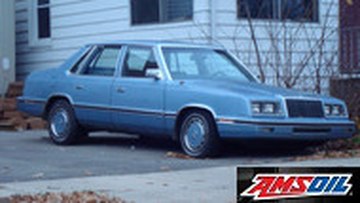
Engine Oil Maintenance for the 1983 Chrysler E CLASS 2.6L
Maintaining the engine of a 1983 Chrysler E CLASS with the 2.6L engine requires consistent attention to lubrication and fluid health. Proper oil management is one of the most effective ways to ensure the longevity of internal engine components by reducing friction and managing heat during operation.
How often should I change the oil in my 1983 Chrysler E CLASS 2.6L?
To determine the correct interval for an oil change, you should follow the owner's manual or the manufacturer maintenance schedule. Do not rely on estimated mileage or timeframes, as the specific requirements for your vehicle are defined by the original manufacturer documentation.
Understanding Engine Oil Viscosity
Viscosity refers to a fluid's resistance to flow. For this specific 1983 Chrysler E CLASS application, the database allows for 10W-30. Using an oil that meets the necessary thickness requirements ensures that the lubricant can reach critical engine parts quickly during a cold start and maintain a protective film when the engine reaches operating temperature.
When selecting a lubricant, it is important to understand how temperature affects flow. The "W" in a viscosity rating stands for winter, indicating how the oil performs in colder conditions. A consistent viscosity helps prevent premature wear on bearings, piston rings, and camshaft components by maintaining a stable layer of lubrication between moving metal surfaces.
The Role of the Oil Filter
An engine oil change is not complete without addressing the oil filter. The filter is responsible for capturing contaminants such as microscopic metal shavings, carbon deposits, and dust that enter the lubrication system. Over time, a filter can become saturated with debris, which restricts the flow of clean oil to the engine.
Replacing the filter during every oil service prevents old, dirty contaminants from being recirculated through the engine. A clogged or bypassed filter can lead to increased internal friction and potential damage to sensitive engine components. Always ensure that any replacement filter is intended for use in this specific engine configuration.
Monitoring Oil Levels Regularly
Checking the oil level is a fundamental maintenance task that should be performed frequently, even between scheduled oil changes. Low oil levels can lead to increased engine temperatures and insufficient lubrication, which may cause catastrophic mechanical failure.
To check the level accurately, park the vehicle on a level surface and allow the engine to cool or sit for several minutes after running to let the oil settle in the pan. Use the dipstick provided by the manufacturer to verify that the fluid level falls within the designated operating range. If you notice the level dropping more rapidly than usual, it may indicate an internal leak or external seal issue that requires inspection.
Identifying Potential Oil Contamination
The appearance and smell of your engine oil can provide early warnings regarding the health of your 2.6L engine. While oil naturally darkens over time due to combustion byproducts, certain changes should be investigated immediately:
- Milky or Frothy Appearance: If the oil looks like a light-colored emulsion, it may indicate that coolant is leaking into the lubrication system, often due to a head gasket issue.
- Excessive Grit: Feeling grit or heavy sediment in the oil can suggest significant internal wear or debris buildup.
- Strong Fuel Odor: A strong smell of gasoline in the oil may indicate that fuel is bypassing the piston rings and diluting the lubricant, which reduces its ability to protect the engine.
Managing Oil Leaks
Oil leaks can stem from various points, including valve cover gaskets, oil pan seals, or the oil filter mounting area. While small amounts of seepage are common in older vehicles, active leaks should be addressed promptly. Leaks not only result in the loss of necessary lubrication but can also lead to oil dripping onto hot exhaust components, creating smoke or potential fire hazards.
Regularly inspecting the engine bay and the ground where the vehicle is parked can help identify the source of a leak. Keeping the engine exterior relatively clean can make it easier to spot fresh oil weeping from gaskets or seals.
BUYING ENGINE OIL
When you are ready to purchase lubricant for your 1983 Chrysler E CLASS, focus on meeting the requirements specified in your owner's manual. Ensure that any product you select is appropriate for the engine type and meets the necessary viscosity standards. Check the packaging carefully to confirm it matches the needs of your 2.6L engine, and always consider purchasing from reputable automotive suppliers to ensure the quality and integrity of the fluid.